Index↓
Index↓
Indians Who Changed the World
Indians Who Changed the World
Indians Who Changed the World
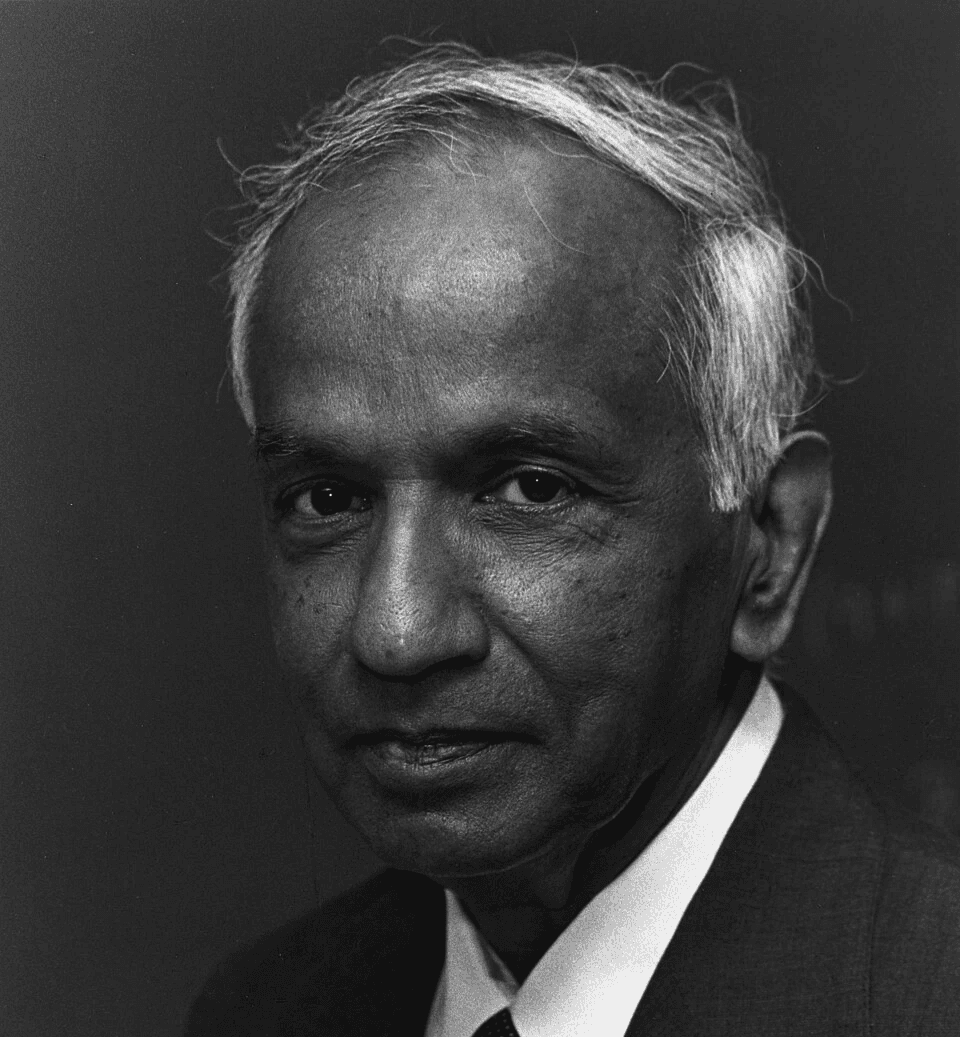
Subrahmanyan Chandrasekhar
theoretical physicist, Chandrasekhar limit, Chandra X-ray Observatory, nobel laureate
Subrahmanyan Chandrasekhar revolutionized astrophysics by establishing the Chandrasekhar Limit, proving that massive stars collapse into neutron stars or black holes. His work demolished old models of stellar evolution and opened the door to modern relativistic astrophysics. Across his career, he published more than 400 research papers spanning stellar dynamics, radiative transfer, and general relativity.
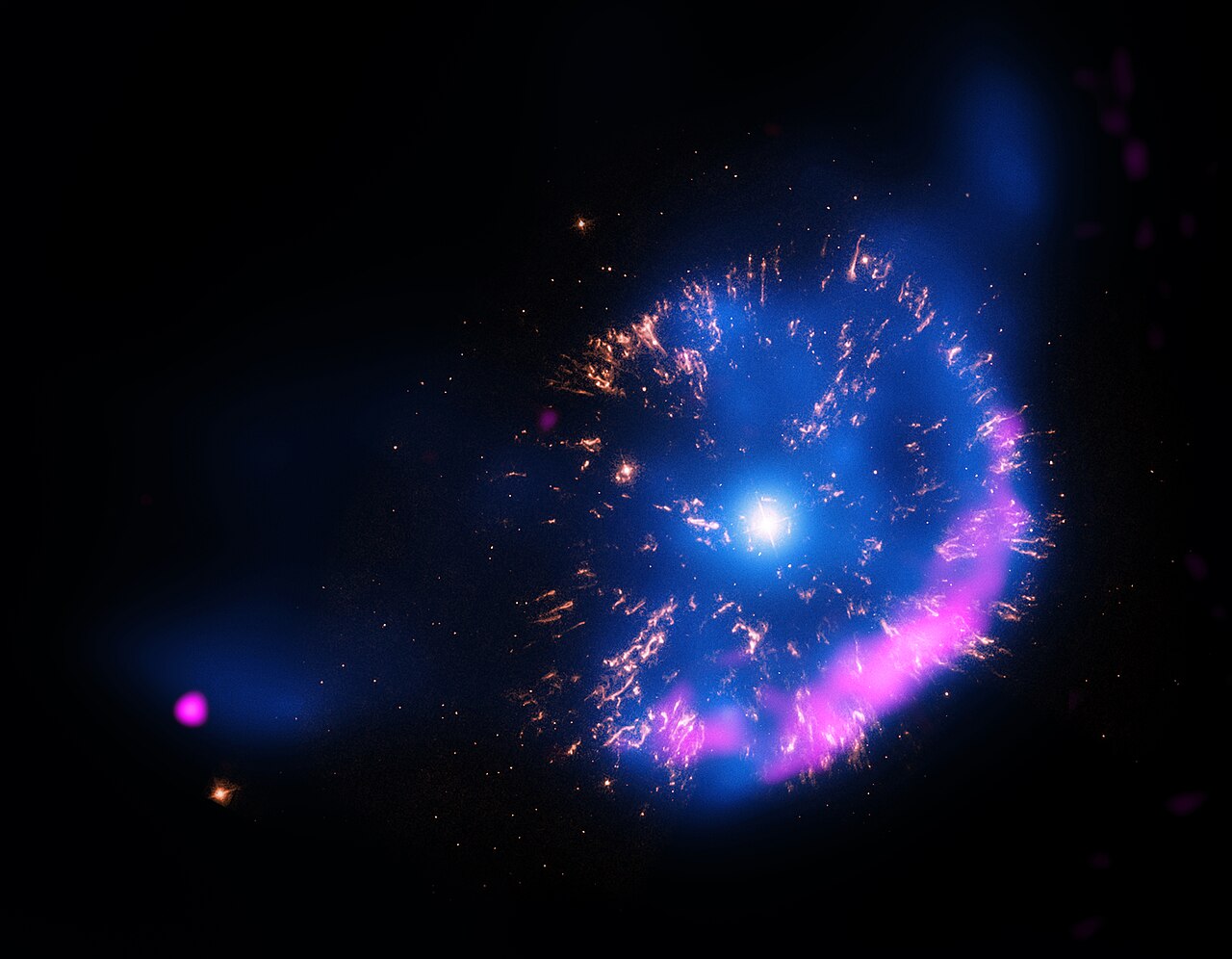
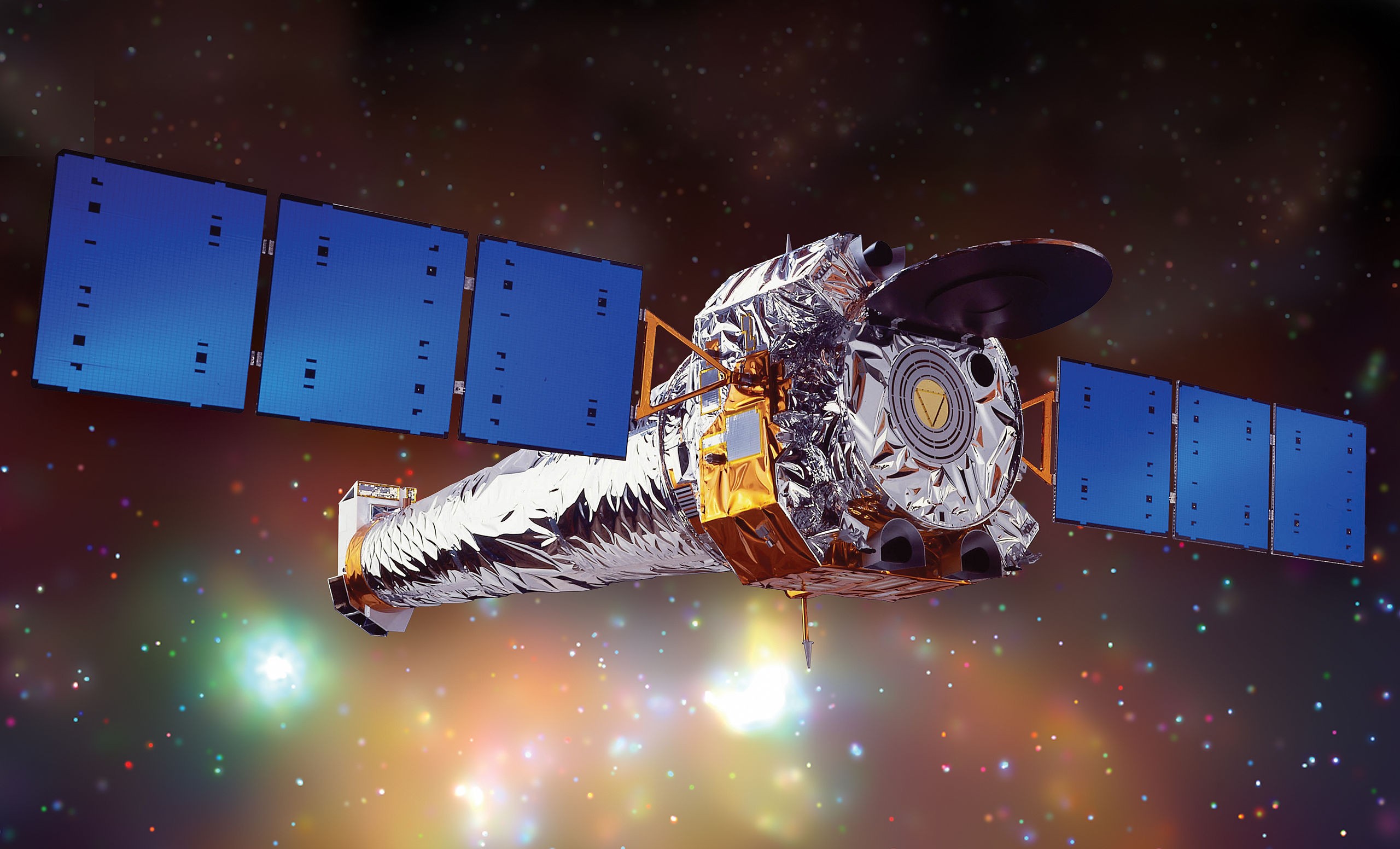
His impact earned global recognition: the 1983 Nobel Prize in Physics, the Royal Medal, the National Medal of Science, the Copley Medal, and countless international honors. NASA named the Chandra X-ray Observatory after him—the space agency’s highest scientific tribute—cementing his status as one of humanity’s most influential cosmic theorists.
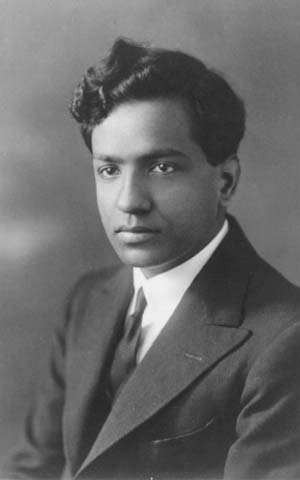
Chandrasekhar in 1934
Subrahmanyan Chandrasekhar
theoretical physicist, Chandrasekhar limit, Chandra X-ray Observatory, nobel laureate
Subrahmanyan Chandrasekhar revolutionized astrophysics by establishing the Chandrasekhar Limit, proving that massive stars collapse into neutron stars or black holes. His work demolished old models of stellar evolution and opened the door to modern relativistic astrophysics. Across his career, he published more than 400 research papers spanning stellar dynamics, radiative transfer, and general relativity.
His impact earned global recognition: the 1983 Nobel Prize in Physics, the Royal Medal, the National Medal of Science, the Copley Medal, and countless international honors. NASA named the Chandra X-ray Observatory after him—the space agency’s highest scientific tribute—cementing his status as one of humanity’s most influential cosmic theorists.
Chandrasekhar in 1934
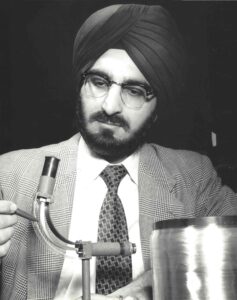
NARINDER SINGH KAPANY
INvented fiber optics
"The man who bent light" is what they call him. While working at Imperial College London in the early 1950s, he successfully transmitted the first images through bundles of optical fibers alongside Harold Hopkins. He later coined the term "fiber optics" in 1960 and was responsible for foundational research that extended the technology's application into vital fields like medical endoscopy and high-speed data communications.
His pioneering work established a multibillion-dollar industry and earned him recognition as an "Unsung Hero" of the 20th century by fortune magazine.
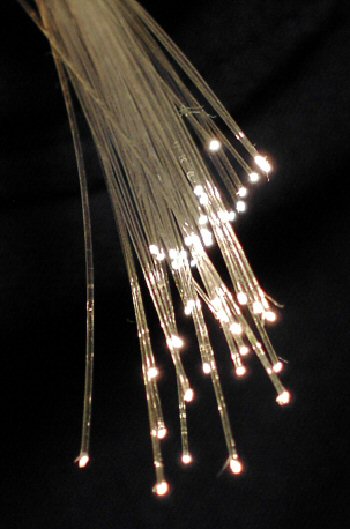
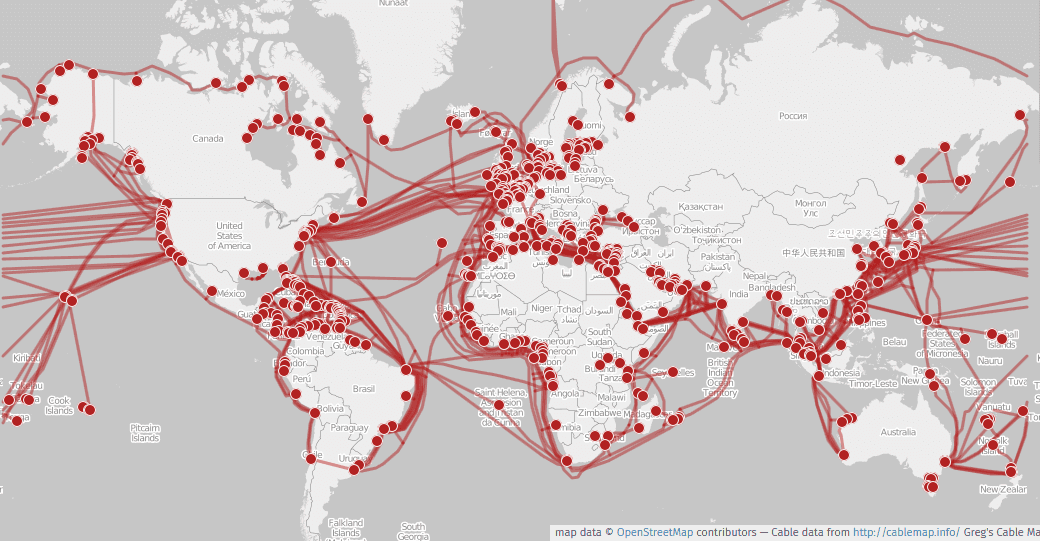
World map showing submarine cables in 2015
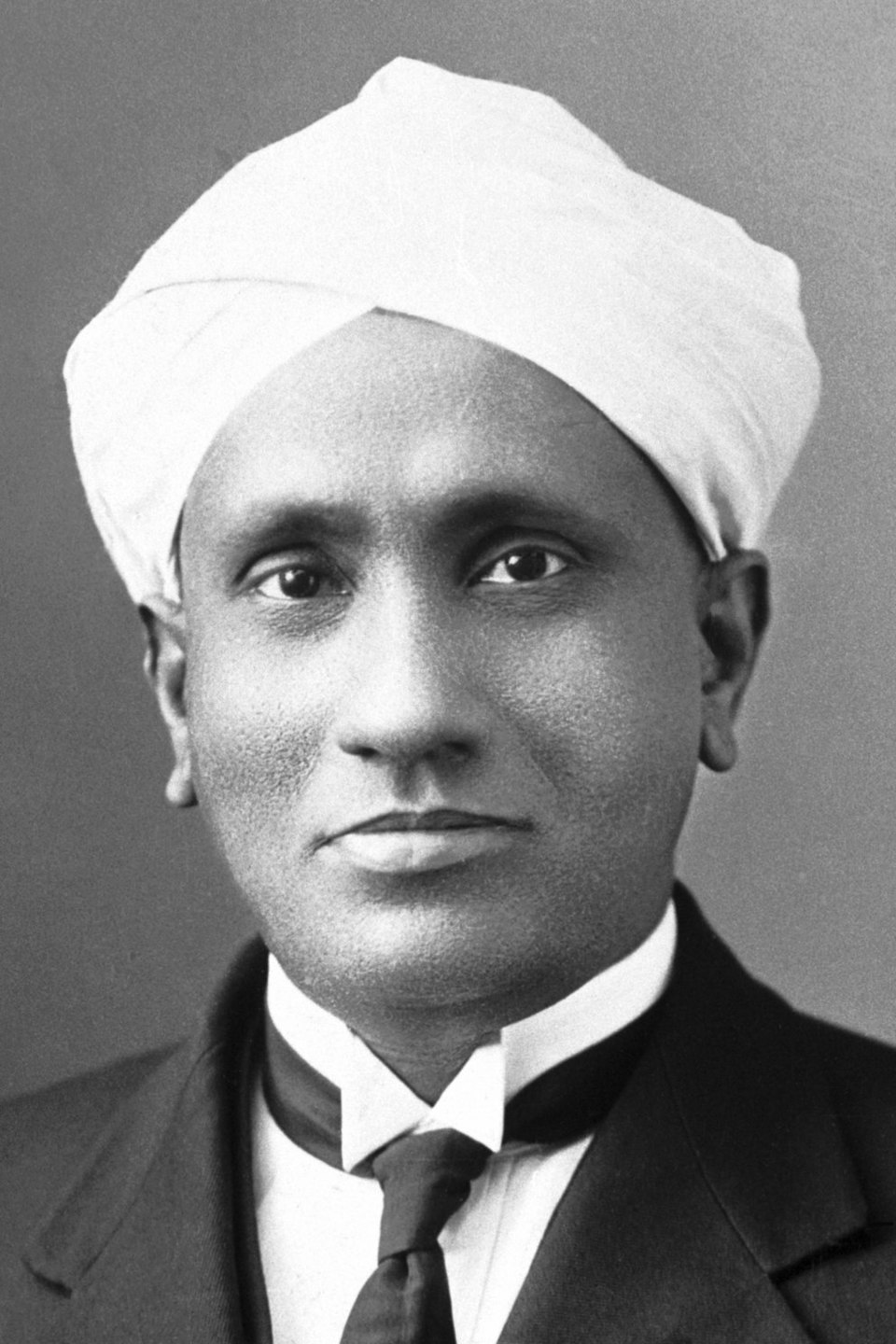
C. V. Raman
Raman scattering, nobel laureate
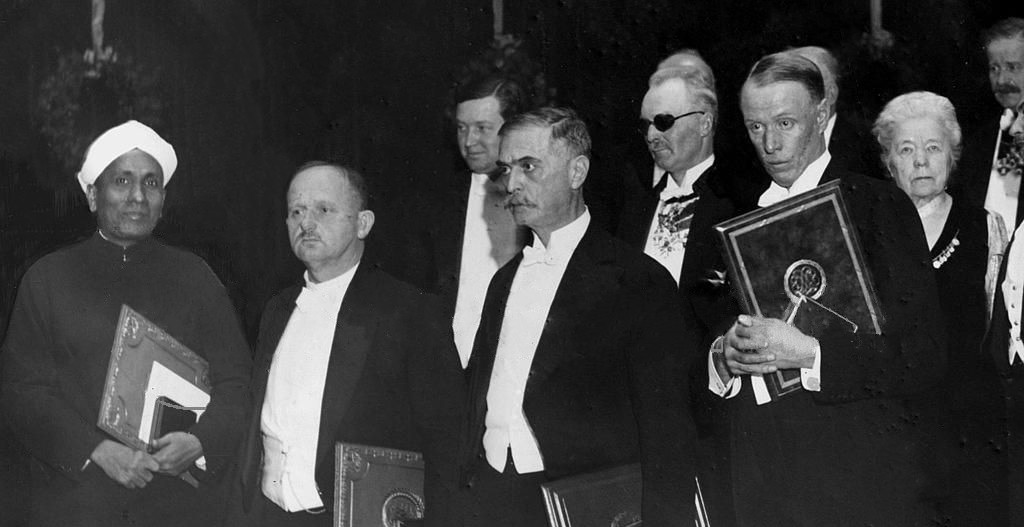
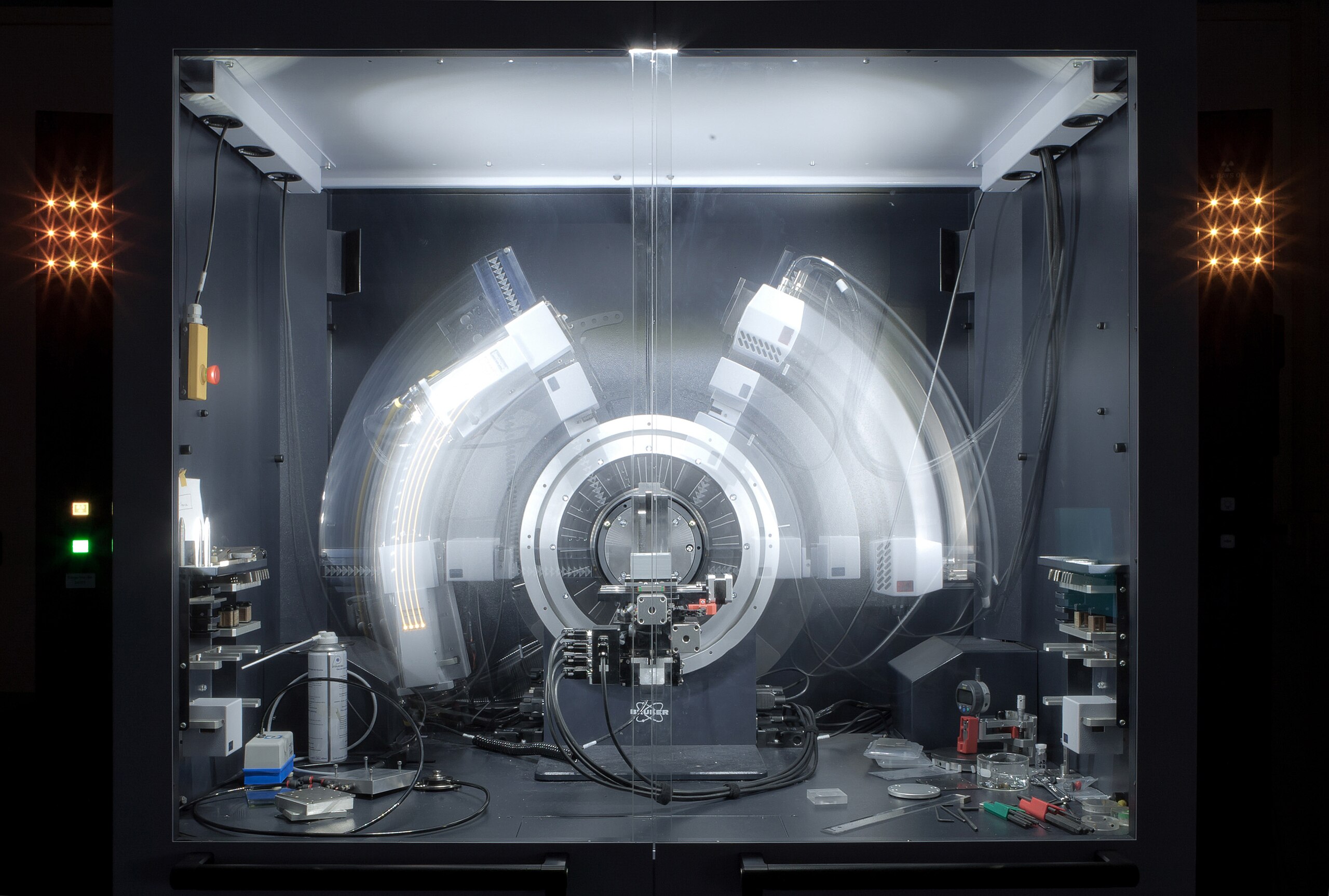
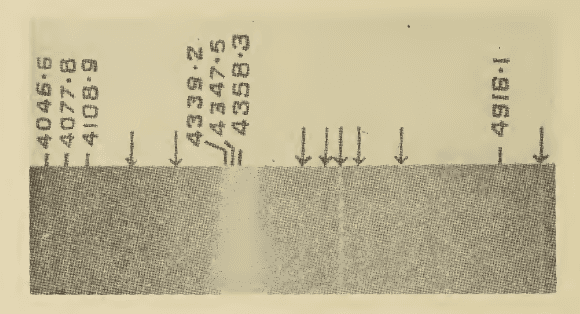
C. V. Raman transformed modern physics with his discovery of the Raman Effect, proving that light changes wavelength when passing through a transparent material. This breakthrough created an entirely new branch of spectroscopy and earned him the 1930 Nobel Prize in Physics, making him the first Asian to win a Nobel in science.
Beyond the discovery, Raman built India’s scientific backbone—founding institutions, mentoring generations of physicists, and publishing influential research across acoustics, optics, and crystal physics. His legacy lives through widespread applications of Raman spectroscopy in chemistry, medicine, and materials science, and through the global scientific ecosystem he helped seed in India.
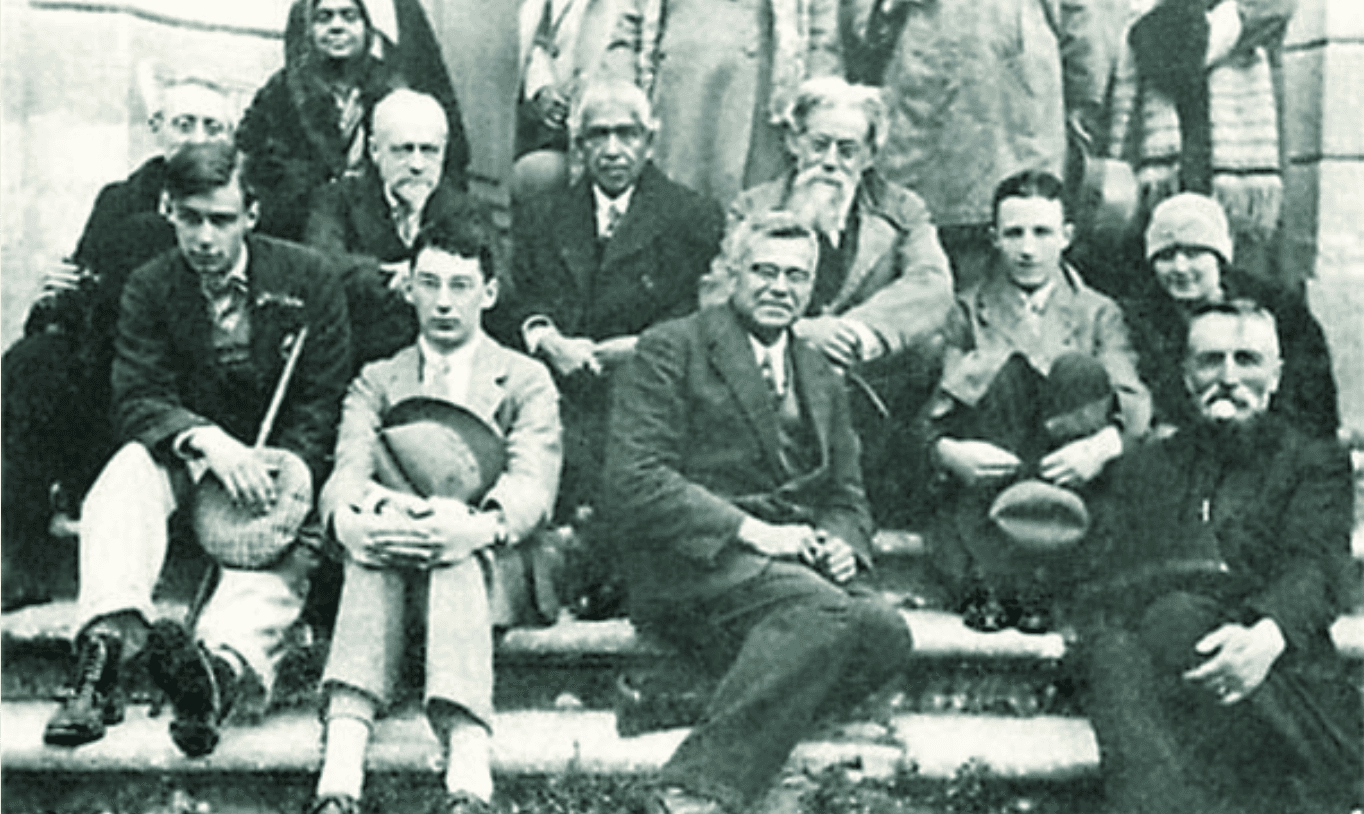
During his tenure at IISc, he recruited G. N. Ramachandran, who later went on to become a distinguished X-ray crystallographer.
Jagadish Chandra Bose
wireless communication, millimetre length electromagnetic waves, torsional recorder
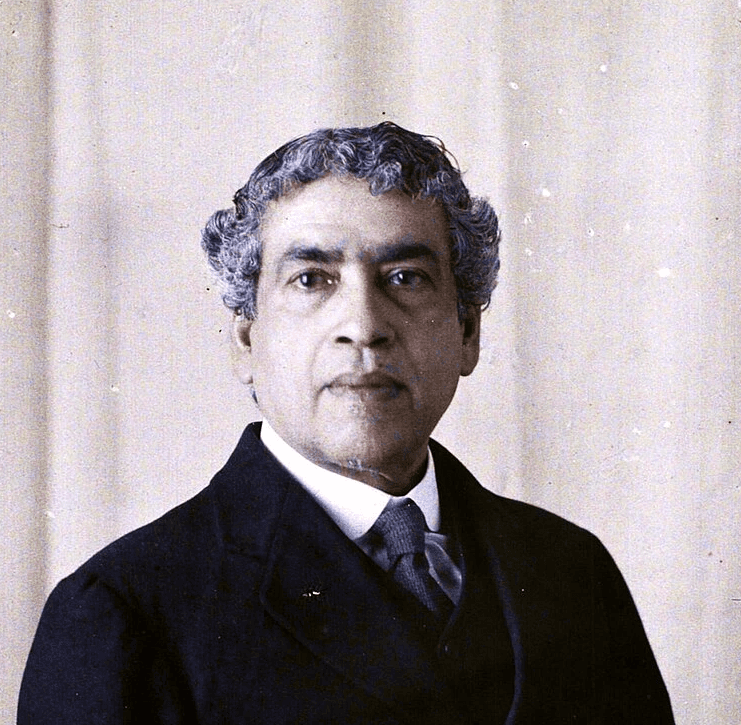
Many of his instruments are still on display and remain largely usable over 100 years later. They include various antennas, polarisers, and waveguides. On 14 September 2012, Bose's experimental work in millimetre-band radio was recognised as an IEEE Milestone in Electrical and Computer Engineering, the first such recognition of a discovery in India.
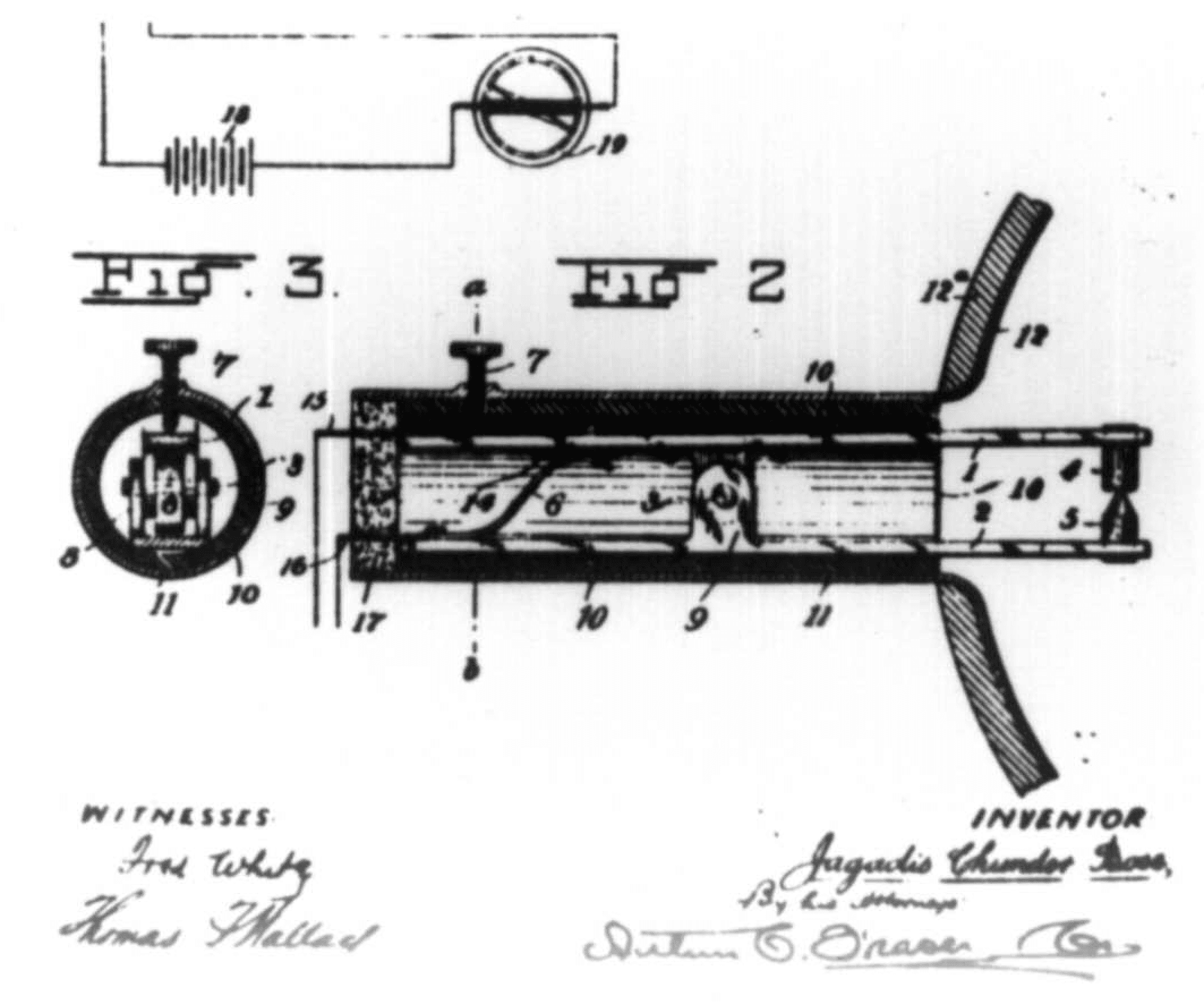
In 1917 Bose established the Bose Institute in Kolkata, West Bengal, India. Bose served as its director for its first twenty years until his death. Bose developed the self-recovering mercury coherer, a pioneering solid-state diode detector, which significantly advanced early wireless telegraphy. On 27 April 1899, Bose presented a paper to the Royal Society describing an iron-mercury-iron or iron-mercury-carbon contact device, later recognized as the first patented solid-state diode detector
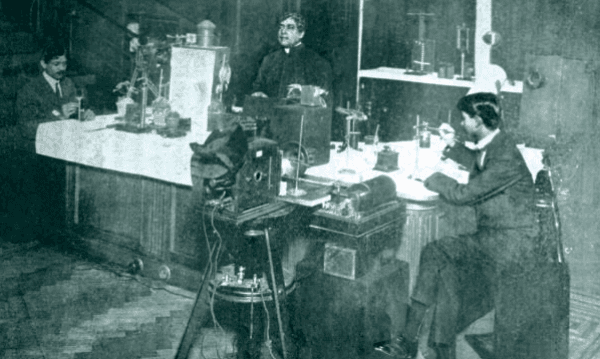
Sir JC Bose demonstrating “Plant autographs and their revelations” at the Evening Discourse, Royal Institution, London (May 1914)
Jagadish Chandra Bose
wireless communication, millimetre length electromagnetic waves, torsional recorder
Many of his instruments are still on display and remain largely usable over 100 years later. They include various antennas, polarisers, and waveguides. On 14 September 2012, Bose's experimental work in millimetre-band radio was recognised as an IEEE Milestone in Electrical and Computer Engineering, the first such recognition of a discovery in India.
In 1917 Bose established the Bose Institute in Kolkata, West Bengal, India. Bose served as its director for its first twenty years until his death. Bose developed the self-recovering mercury coherer, a pioneering solid-state diode detector, which significantly advanced early wireless telegraphy. On 27 April 1899, Bose presented a paper to the Royal Society describing an iron-mercury-iron or iron-mercury-carbon contact device, later recognized as the first patented solid-state diode detector
Sir JC Bose demonstrating “Plant autographs and their revelations” at the Evening Discourse, Royal Institution, London (May 1914)
C. V. Raman
Raman scattering, nobel laureate
C. V. Raman transformed modern physics with his discovery of the Raman Effect, proving that light changes wavelength when passing through a transparent material. This breakthrough created an entirely new branch of spectroscopy and earned him the 1930 Nobel Prize in Physics, making him the first Asian to win a Nobel in science.
Beyond the discovery, Raman built India’s scientific backbone—founding institutions, mentoring generations of physicists, and publishing influential research across acoustics, optics, and crystal physics. His legacy lives through widespread applications of Raman spectroscopy in chemistry, medicine, and materials science, and through the global scientific ecosystem he helped seed in India.
During his tenure at IISc, he recruited G. N. Ramachandran, who later went on to become a distinguished X-ray crystallographer.
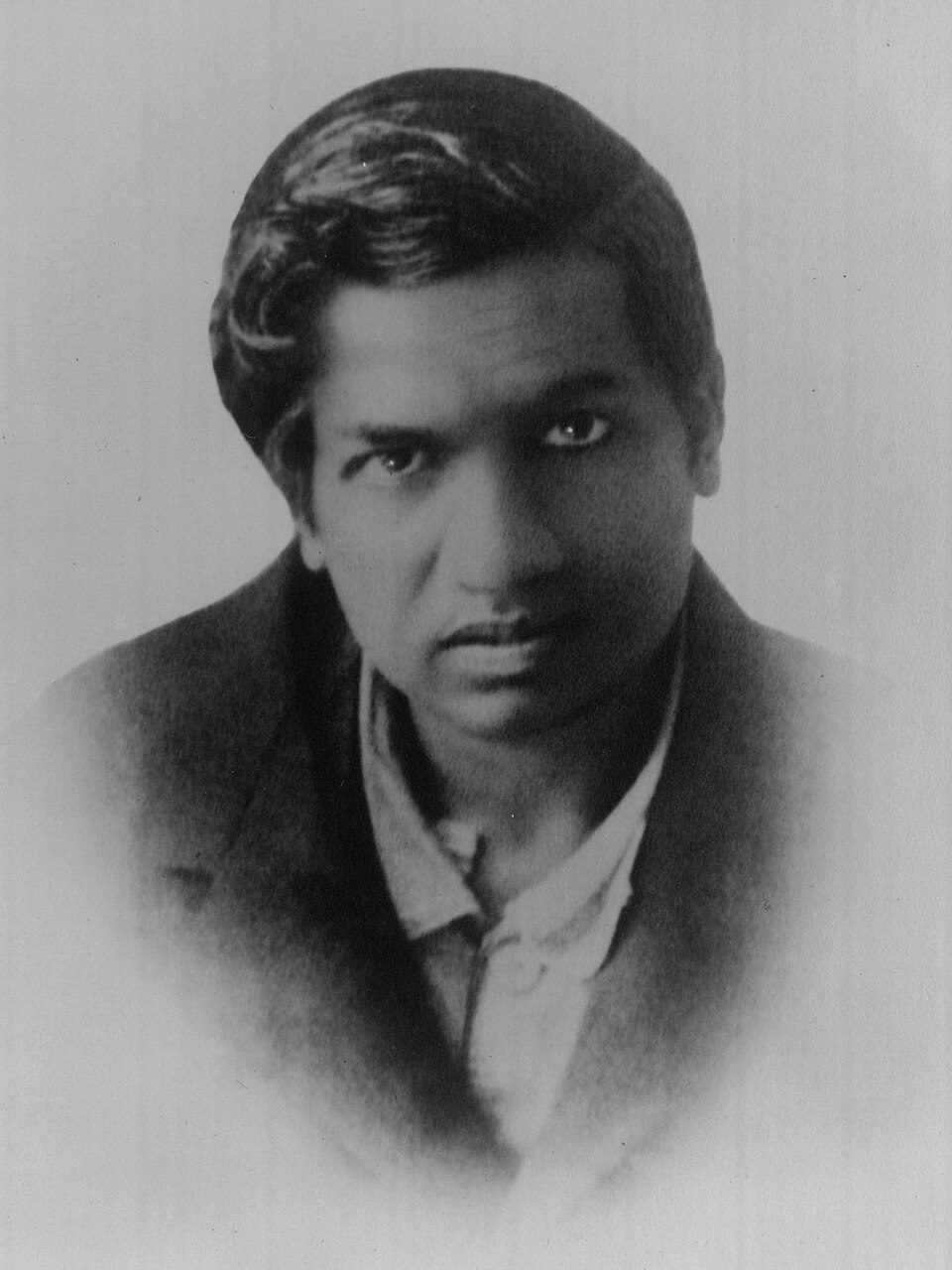
SRINIVAS RAMANUJAN
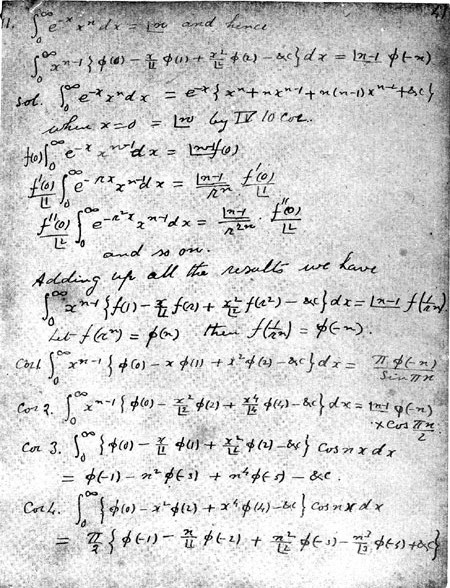
Infinite series of pi, Partition Function Breakthroughs, Hypergeometric Series, MOCK THETA FUNCTIONS,"THE Man who knew infinity"
Srinivasa Ramanujan was a self-taught mathematical genius whose raw intuition produced groundbreaking results in number theory, infinite series, continued fractions, and modular forms. With almost no formal training, he independently derived formulas and identities that shocked established mathematicians and pushed the boundaries of pure mathematics far beyond the era’s standards.
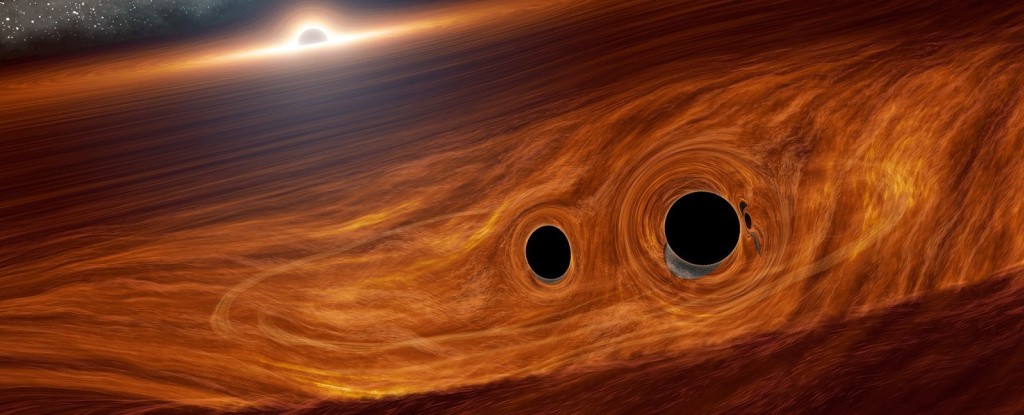
His collaboration with G. H. Hardy at Cambridge generated some of the 20th century’s most important mathematical breakthroughs, including the partition formula and early foundations of the circle method. His notebooks and the later “lost notebook” contain thousands of results—many still driving modern research in fields like string theory, cryptography, and theoretical physics. Mock theta functions later became foundational in string theory, black hole entropy, and Moonshine theory. he produced thousands of formulas, identities, and theories, many so advanced that modern math is still unpacking them.
SRINIVAS RAMANUJAN
Infinite series of pi, Partition Function Breakthroughs, Hypergeometric Series, MOCK THETA FUNCTIONS,"THE Man who knew infinity"
Srinivasa Ramanujan was a self-taught mathematical genius whose raw intuition produced groundbreaking results in number theory, infinite series, continued fractions, and modular forms. With almost no formal training, he independently derived formulas and identities that shocked established mathematicians and pushed the boundaries of pure mathematics far beyond the era’s standards.
His collaboration with G. H. Hardy at Cambridge generated some of the 20th century’s most important mathematical breakthroughs, including the partition formula and early foundations of the circle method. His notebooks and the later “lost notebook” contain thousands of results—many still driving modern research in fields like string theory, cryptography, and theoretical physics. Mock theta functions later became foundational in string theory, black hole entropy, and Moonshine theory. he produced thousands of formulas, identities, and theories, many so advanced that modern math is still unpacking them.
NARINDER SINGH KAPANY
INvented fiber optics
"The man who bent light" is what they call him. While working at Imperial College London in the early 1950s, he successfully transmitted the first images through bundles of optical fibers alongside Harold Hopkins. He later coined the term "fiber optics" in 1960 and was responsible for foundational research that extended the technology's application into vital fields like medical endoscopy and high-speed data communications.
His pioneering work established a multibillion-dollar industry and earned him recognition as an "Unsung Hero" of the 20th century by fortune magazine.
World map showing submarine cables in 2015
ARYABHATTA
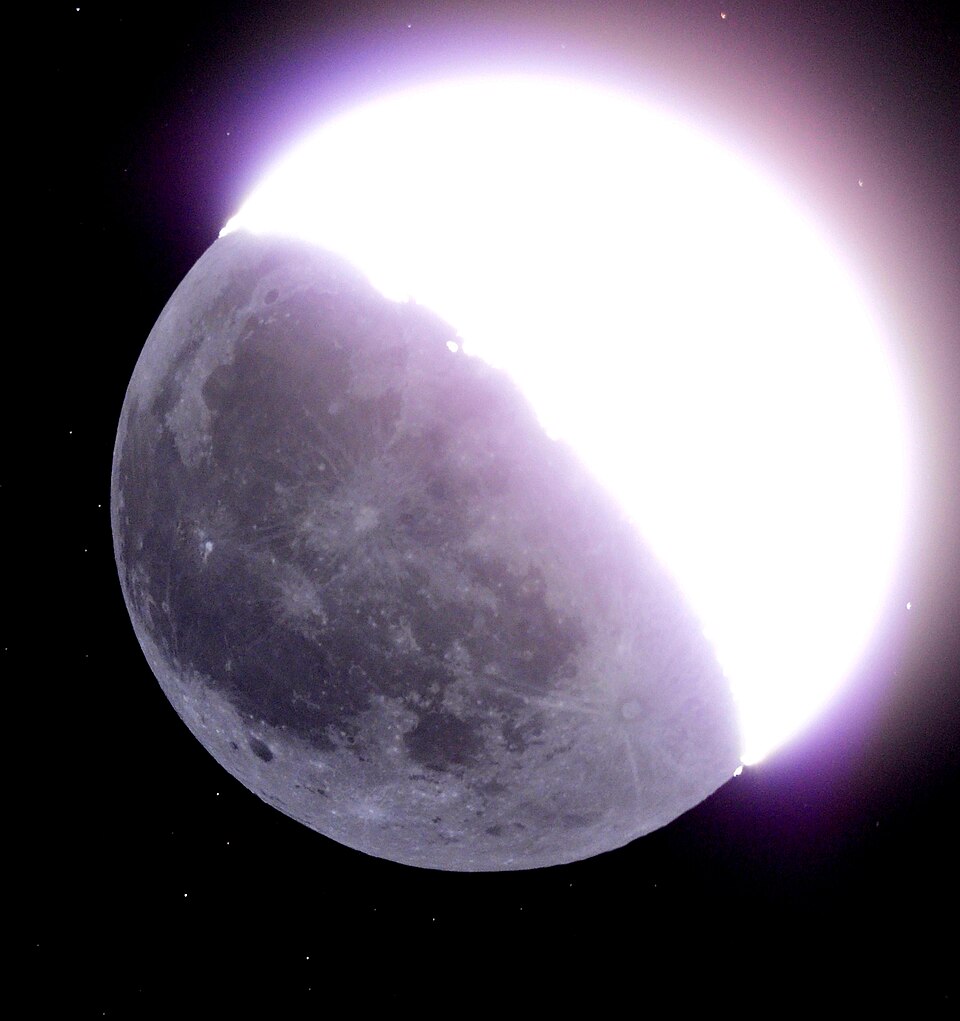
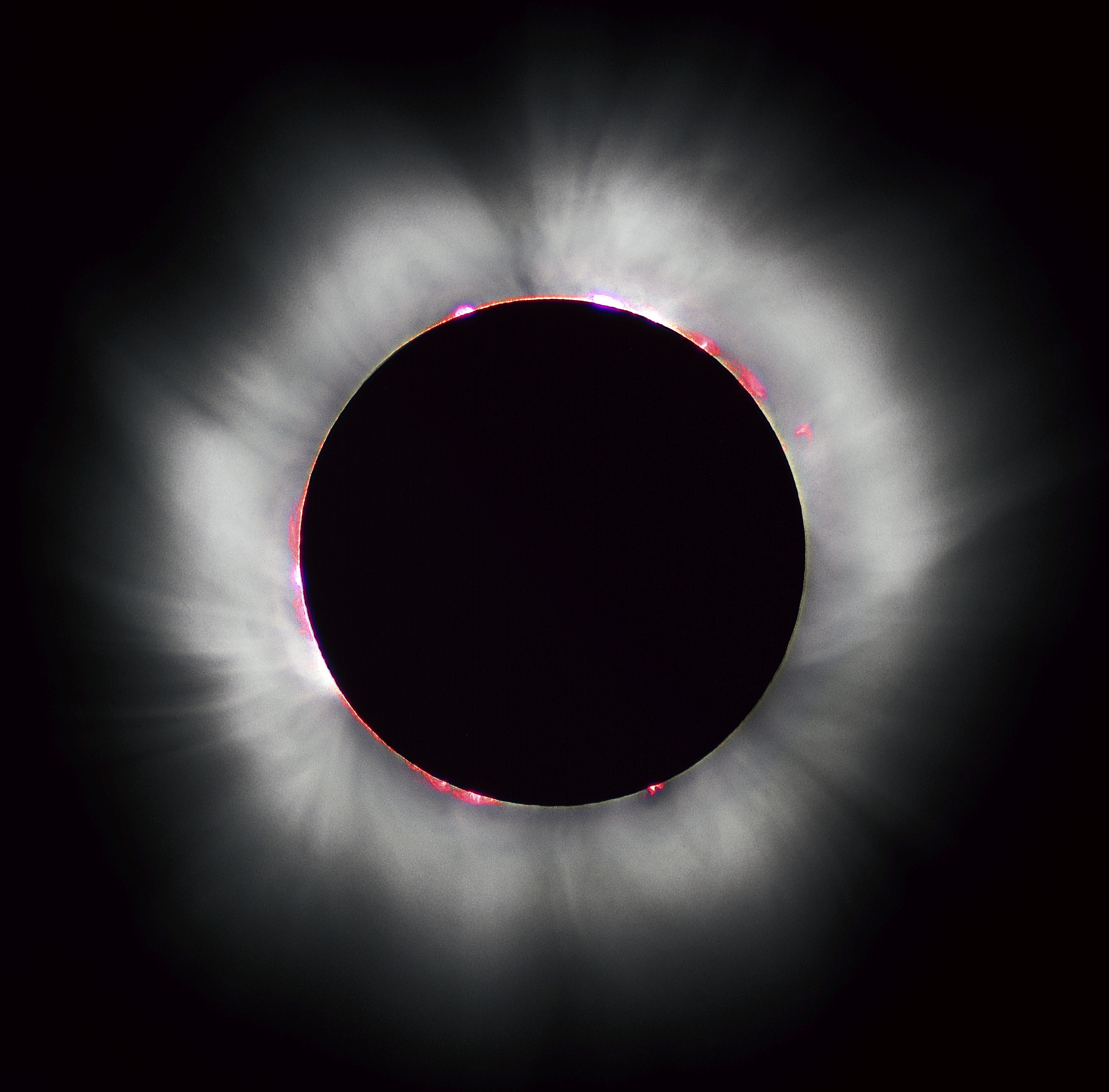
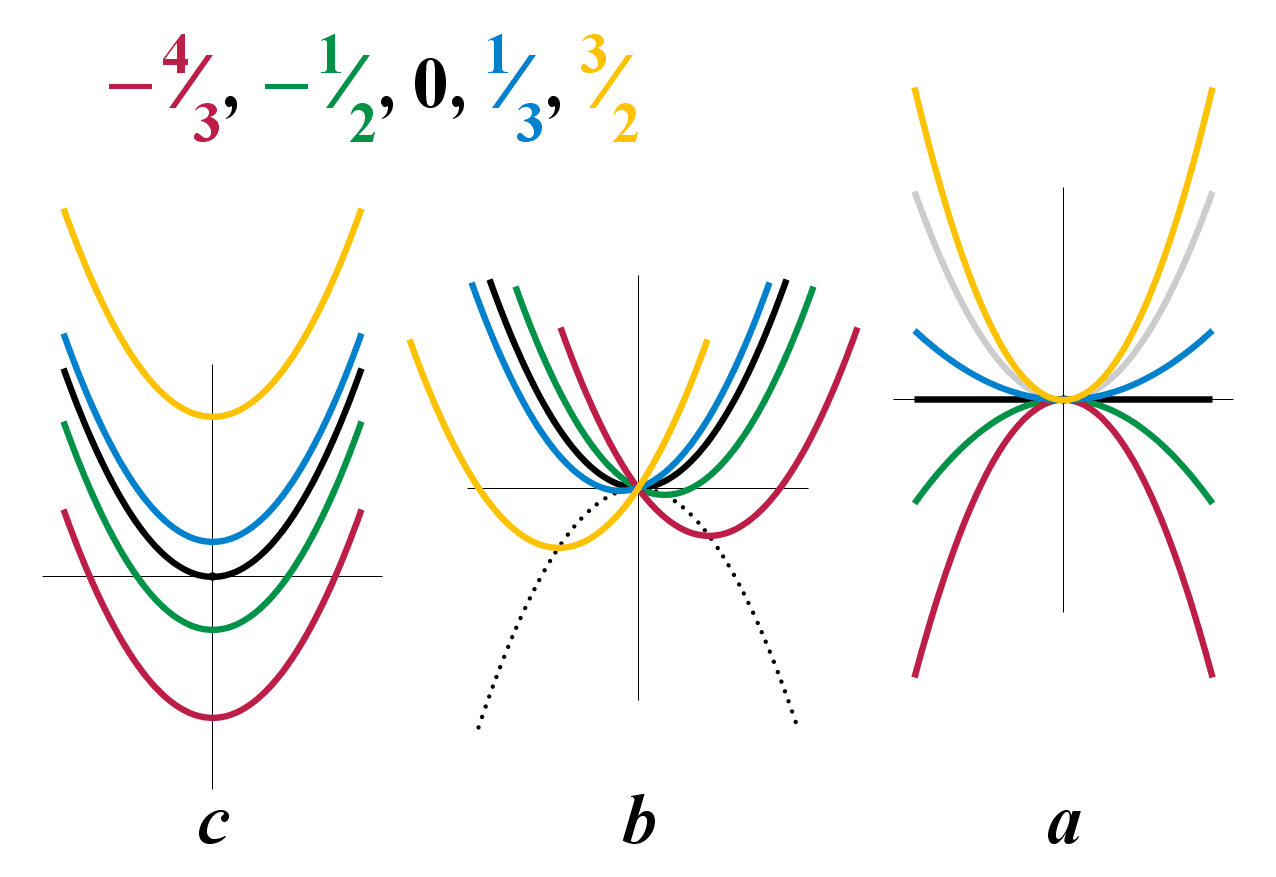
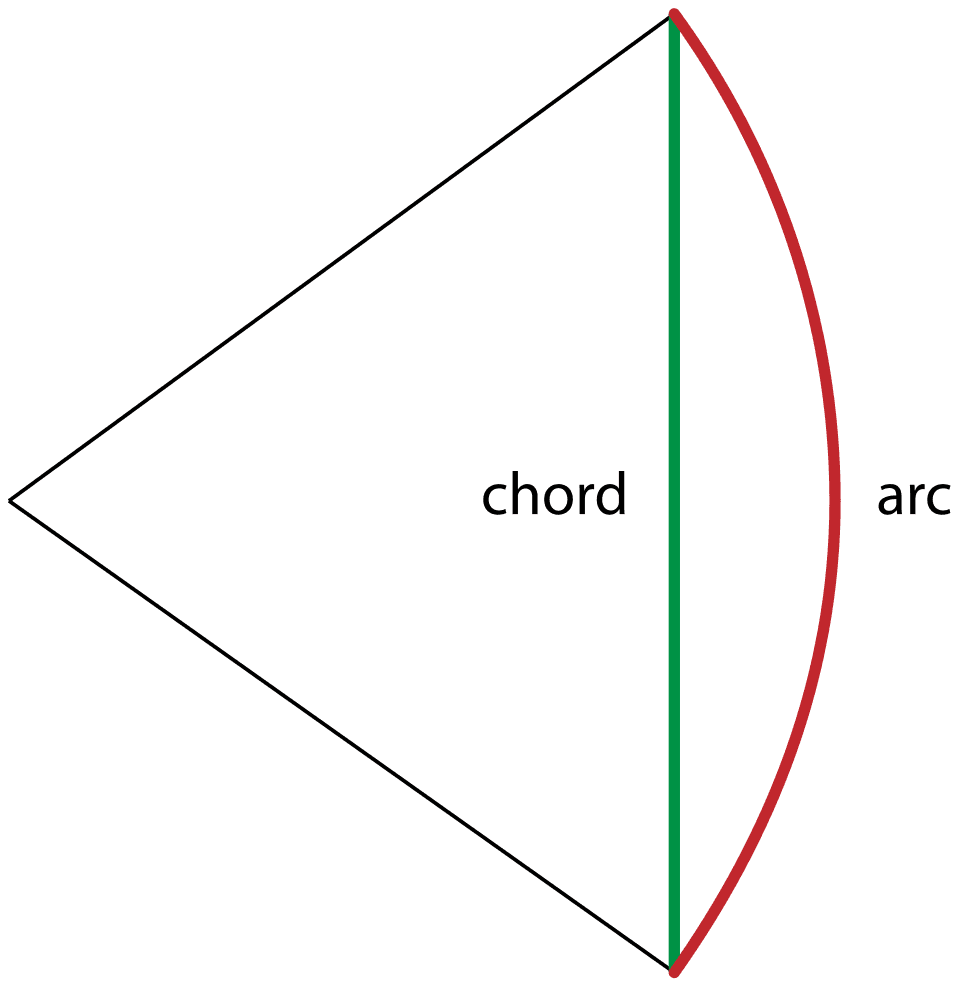
explained lunar and solar eclipse, rotation of earth, reflection of light by moon, sinusoidal functions, value of pi, diameter of earth, SIDerial year
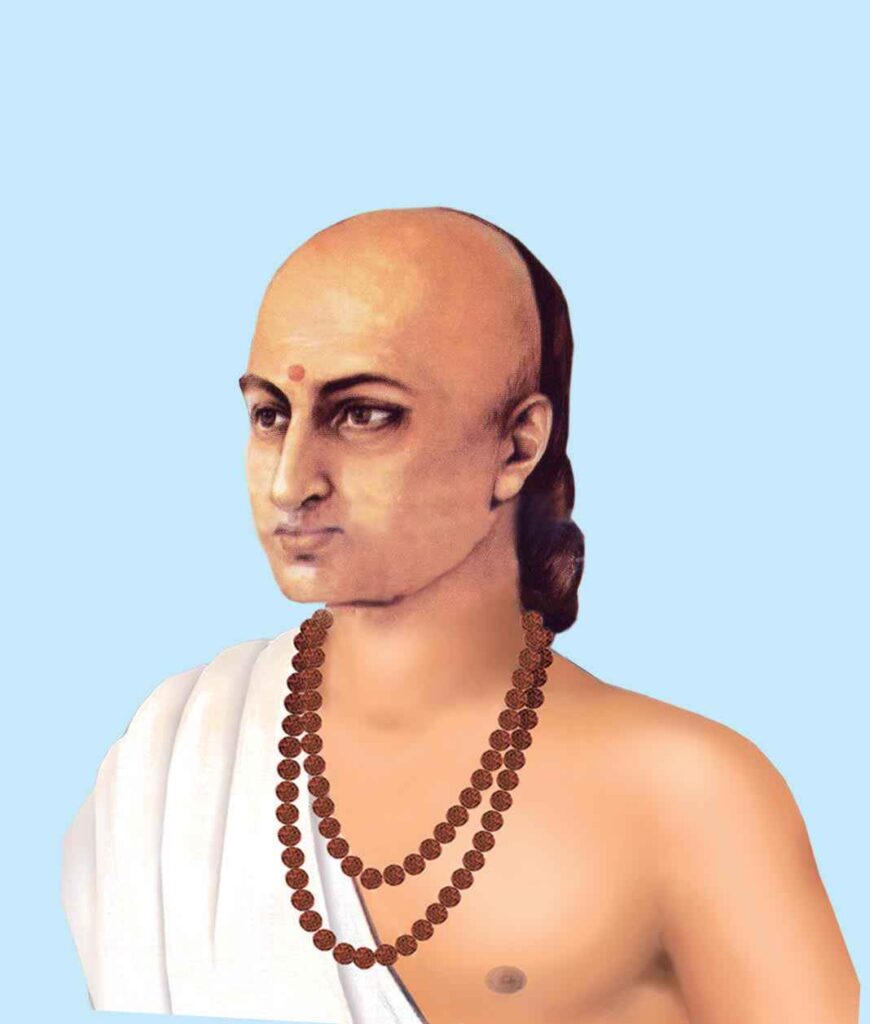
Aryabhata was one of the earliest giants of Indian science, producing the Āryabhaṭīya at just 23 and resetting the trajectory of global mathematics and astronomy. He introduced the place-value system using zero in conceptual form, established π ≈ 3.1416 with remarkable accuracy, developed trigonometric functions like sine, and proposed that the Earth rotates on its axis—centuries before Europe accepted the idea.
His astronomical models calculated eclipses with precision, provided methods to determine planetary positions, and laid foundations for spherical trigonometry. Aryabhata’s work travelled through the Islamic Golden Age into Europe, influencing later global scientific development. Today he is recognized as one of history’s most consequential mathematician-astronomers, with India’s first satellite, “Aryabhata,” named in his honor.
ARYABHATTA
explained lunar and solar eclipse, rotation of earth, reflection of light by moon, sinusoidal functions, value of pi, diameter of earth, SIDerial year
Aryabhata was one of the earliest giants of Indian science, producing the Āryabhaṭīya at just 23 and resetting the trajectory of global mathematics and astronomy. He introduced the place-value system using zero in conceptual form, established π ≈ 3.1416 with remarkable accuracy, developed trigonometric functions like sine, and proposed that the Earth rotates on its axis—centuries before Europe accepted the idea.
His astronomical models calculated eclipses with precision, provided methods to determine planetary positions, and laid foundations for spherical trigonometry. Aryabhata’s work travelled through the Islamic Golden Age into Europe, influencing later global scientific development. Today he is recognized as one of history’s most consequential mathematician-astronomers, with India’s first satellite, “Aryabhata,” named in his honor.